

ISLAMABAD: The federal government has announced another reduction in petroleum prices, providing limited relief to consumers across Pakistan amid continued fluctuations in international oil markets.
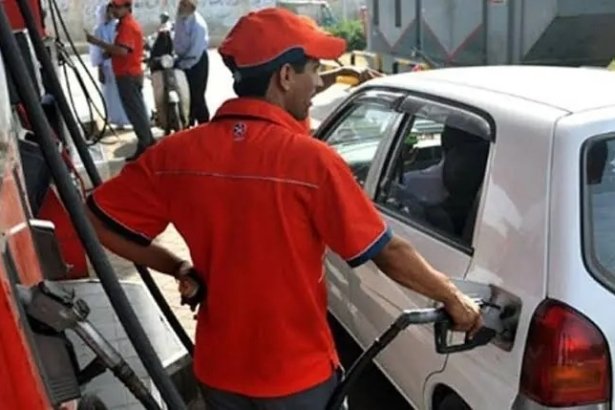
According to the latest notification issued by the Petroleum Division, the price of petrol has been reduced by Rs2.20 per litre, bringing the new price to Rs327.62 per litre. Meanwhile, the price of high-speed diesel (HSD) has been cut by Rs1.50 per litre, with the revised rate fixed at Rs380.86 per litre.
The new petroleum prices will take effect from August 8, 2026.
The latest reduction comes as international oil prices and global market conditions continue to influence Pakistan’s domestic fuel rates. Since the country relies heavily on imported petroleum products, changes in international crude prices, exchange rates and government taxes have a direct impact on fuel prices.
Despite the reduction, petroleum products continue to carry significant government taxes and levies. Petrol includes approximately Rs110 per litre in taxes and charges, while high-speed diesel carries around Rs96 per litre.
Pakistan’s fuel prices have experienced significant volatility in recent months amid geopolitical tensions and uncertainty surrounding global oil supplies. High-speed diesel had previously reached a record Rs520.35 per litre on April 3, while petrol climbed to Rs458.41 per litre during the same period.
The government has also introduced a more frequent fuel pricing mechanism in response to rapid movements in international oil markets. Petroleum Minister Ali Pervaiz Malik had earlier indicated that prices could be adjusted on a daily basis, with the Oil and Gas Regulatory Authority (OGRA) tasked with determining rates according to prevailing global market conditions.
The new pricing mechanism has faced criticism from fuel dealers, with the All Pakistan Dealers Association expressing concerns about the impact of frequent price changes on their businesses and indicating the possibility of protests.
Petrol prices remain particularly important for households because petrol is widely used by private vehicles, motorcycles, rickshaws and small transport operators. Any increase or decrease in petrol prices can directly affect household expenses and commuting costs.
Meanwhile, high-speed diesel is widely used by heavy transport vehicles, agricultural machinery, industries and power generation facilities. Changes in diesel prices can therefore have a broader impact on freight costs, agricultural expenses, industrial production and the prices of essential goods.
The latest reduction is expected to offer some short-term relief to motorists and businesses. However, future fuel prices will remain closely linked to international crude oil prices, currency movements, taxation policies and developments in the global energy market.