

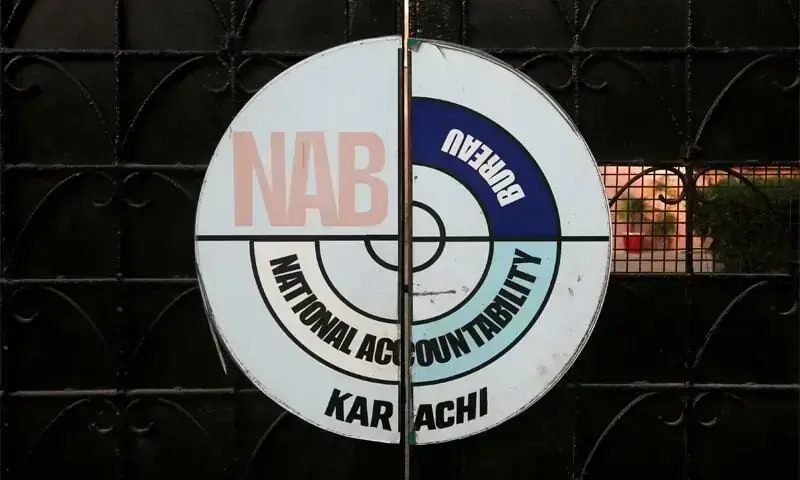
The International Monetary Fund has called on Pakistan to strengthen transparency and autonomy within the National Accountability Bureau as part of ongoing governance reforms.
According to the IMF’s latest staff report, Pakistan is required to amend the NAB Ordinance by January 2027 to improve the process for appointing the NAB chairman and to ensure greater openness in the bureau’s operations. This includes making public its investigation procedures, prosecution rules, and annual performance statistics.
As part of broader anti-corruption efforts, the government must also agree with the IMF on a structured methodology for assessing corruption risks. This assessment will guide the development of a comprehensive anti-corruption action plan led by NAB.
The IMF has emphasized the importance of identifying corruption vulnerabilities across key government departments. Pakistan is expected to publish findings for the 10 highest-risk departments, promoting accountability and transparency in governance.
In addition, reforms are underway to improve asset declaration systems. The government has committed to publishing asset declarations of senior federal civil servants online by December 2026, ensuring public access to financial disclosures.
The Economic Governance Reform (EGR) Plan, introduced by the government, outlines 15 key reform actions with timelines and performance indicators. Progress reports will be released every six months to track implementation and maintain transparency.
Efforts are also being made to strengthen provincial anti-corruption bodies by enhancing their capacity to conduct financial investigations. This includes designating provincial institutions to handle money laundering cases under updated legal frameworks.
Overall, these reforms represent a significant step toward improving governance, strengthening anti-corruption institutions, and aligning Pakistan’s systems with international transparency standards.