
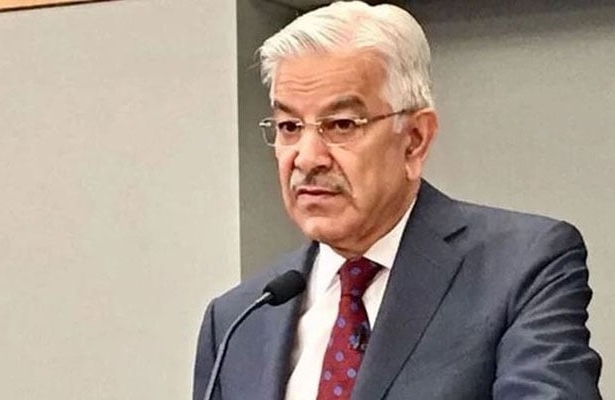
Pakistan’s Defence Minister Khawaja Asif has defended his recent remarks and reaffirmed his position on key political issues while responding to criticism from Pakistan Peoples Party (PPP) Chairman Bilawal Bhutto Zardari.
Speaking during a television interview, Khawaja Asif said that Bilawal Bhutto Zardari has every democratic right to express his views and criticize political opponents. However, he made it clear that he stands by his own statements and remains committed to his political stance.
During the discussion, the defence minister addressed the issue of reserved seats for refugees, expressing concern over what he described as political maneuvering surrounding the matter. According to Asif, these seats should serve the national interest rather than become tools for political competition.
Khawaja Asif also commented on political narratives related to Kashmir, criticizing what he described as attempts by some politicians to use the issue for electoral gains. He stressed that national issues such as Kashmir should be handled responsibly and should not be exploited for political advantage.
The defence minister said political leaders should recognize the sacrifices made by those who have served and lost their lives in conflicts related to Kashmir. He urged politicians to adopt a more responsible approach when discussing sensitive national matters.
Addressing questions about his political future, Khawaja Asif reaffirmed his loyalty to his party and its leadership. He stated that he would fully respect any decision made by the party leadership and would remain silent on any issue if instructed to do so.
The minister also spoke about ongoing political consultations aimed at resolving national challenges. He said it is the government’s responsibility to determine whether political issues can be resolved through dialogue, including efforts involving Maulana Fazlur Rehman.
Khawaja Asif emphasized that constructive dialogue and practical solutions are essential for addressing Pakistan’s political challenges and promoting national stability. He reiterated that while political differences are a normal part of democracy, all stakeholders should work together in the country’s best interest.