

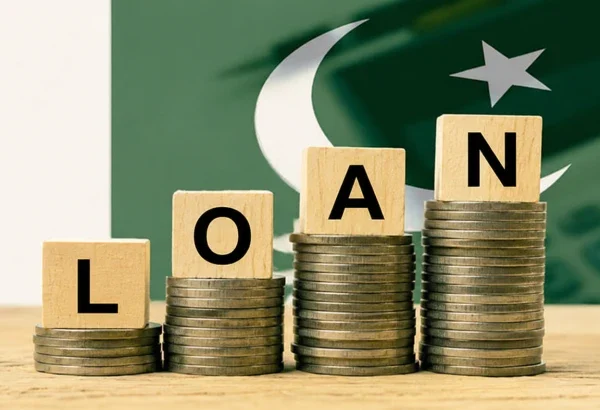
Pakistan’s total federal government debt reached Rs82 trillion by the end of May 2026, marking an increase of Rs5.9 trillion compared with the same period last year, according to the latest debt bulletin released by the State Bank of Pakistan (SBP).
The report shows that the country’s overall federal debt grew by 7.8% year-on-year, slightly exceeding the average inflation rate of 7%. The figures exclude government guarantees and liabilities as well as loans obtained from the International Monetary Fund (IMF). The continued increase reflects the government’s ongoing financing requirements, with expenditures and borrowing needs remaining higher than revenue generation throughout the 2025-26 fiscal year.
The debt bulletin indicates that external debt increased from Rs22.5 trillion to Rs23.8 trillion over the past year. While exchange rate stability helped moderate the rise compared to previous years, short-term external debt surged significantly from Rs201 billion to Rs2.7 trillion, a change the central bank attributed to a revised debt classification methodology rather than fresh borrowing alone.
Meanwhile, domestic debt also continued its upward trend, rising to Rs58.1 trillion, an increase of Rs4.7 trillion compared to last year. Within domestic liabilities, short-term debt reached Rs10.7 trillion, while long-term domestic debt climbed to Rs47.3 trillion, reflecting the government’s continued reliance on local borrowing to finance fiscal requirements.
Separately, the Auditor General of Pakistan raised concerns regarding the Ministry of Finance’s debt management practices in its latest audit report. The audit stated that approximately Rs1.83 trillion had been allocated unrealistically for loan principal repayments, leading to avoidable financial costs. It recommended improving internal financial controls and budget planning to ensure more accurate debt repayment estimates.
The audit also highlighted that the government has not been preparing the mandatory monthly Debt and Losses Report, despite it being required under the Financial Reporting Manual. The report is intended to provide policymakers with a comprehensive assessment of the country’s debt position and financial risks.
Adding to governance concerns, the Debt Management Office (DMO) within the Ministry of Finance has reportedly remained without a permanent Director General since January 2026, operating under interim arrangements. The prolonged vacancy has previously drawn criticism from the Senate Standing Committee on Finance, which has called for stronger institutional oversight of Pakistan’s growing public debt.
The latest figures underscore the continued challenge of managing Pakistan’s fiscal position while maintaining sustainable borrowing levels and strengthening long-term debt management reforms.