
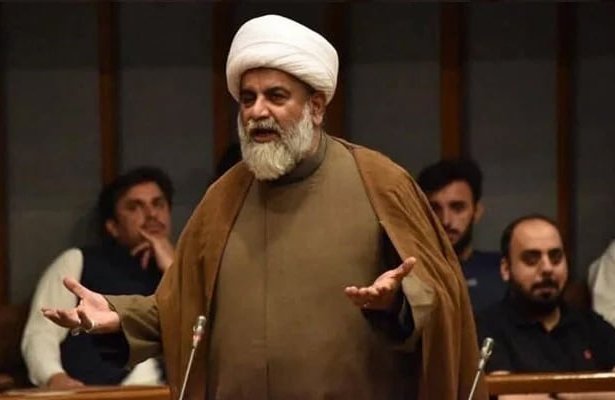
Senate Opposition Leader Raja Nasir Abbas strongly criticised the government’s economic policies during a Senate session, questioning official poverty benchmarks and the broader direction of the federal budget.
Referring to commonly cited poverty estimates, Raja Nasir Abbas remarked that it remained unclear “which Aristotle” had determined that a person earning Rs280 per day could not be considered poor. He argued that such calculations failed to reflect the harsh economic realities faced by millions of Pakistanis struggling with rising inflation, unemployment, and declining purchasing power.
The opposition leader stated that, according to current estimates, nearly 70 million people in Pakistan are living in poverty, while an additional 20 million citizens have reportedly fallen below the poverty line in recent years. He questioned whether the federal budget truly protected the economic independence of ordinary people or instead pushed the country toward greater financial dependence.
Raja Nasir Abbas further argued that the budget failed to prioritise the welfare of common citizens and overlooked pressing public concerns. He noted that despite multiple budget presentations over successive governments, the country’s debt burden had continued to increase, raising concerns about the sustainability of economic policies and their impact on future generations.
Criticising governance and fiscal management, he warned that growing debt obligations and rising interest payments were placing an increasing burden on taxpayers. He maintained that citizens were being asked to shoulder additional taxes and levies while government expenditures remained largely unchecked.
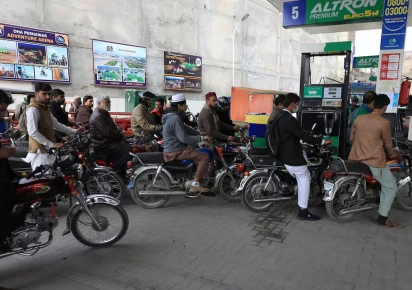
The senator also expressed concerns over food security, highlighting issues related to declining wheat reserves and weakening strategic food stocks. He argued that taxation measures were disproportionately affecting lower and middle-income groups, including individuals who depend on motorcycles and basic transportation for their livelihoods.
Addressing political criticism, Raja Nasir Abbas clarified that raising concerns over economic policies should not be interpreted as opposition to state institutions. According to him, constructive criticism is essential for accountability and improving governance.
He also questioned the priorities reflected in public spending, particularly in sectors such as education and social welfare. The senator argued that if the country’s economic foundations were genuinely strong, there would be little justification for political and economic elites to invest their wealth abroad instead of within Pakistan.
The Senate debate underscored broader concerns surrounding poverty measurement, fiscal policy, debt management, and economic justice, with opposition lawmakers urging the government to adopt policies that provide meaningful relief to ordinary citizens and promote sustainable economic growth.