

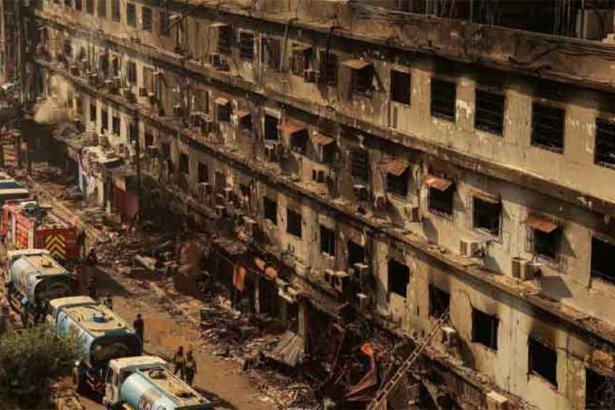
The legal proceedings following Karachi’s devastating Gul Plaza fire have come under intense public scrutiny after the final police charge sheet named only six civilians as accused, including an 11-year-old child, while excluding government institutions responsible for enforcing building and fire safety regulations.
The January blaze claimed 72 lives and destroyed more than 1,000 shops, making it one of Karachi’s deadliest commercial fires in recent years. Despite the scale of the tragedy, the investigation focused on the child’s shopkeeper father and four members of the Gul Plaza Management Committee, leaving regulatory authorities outside the scope of prosecution.
The decision has drawn criticism because prosecutors reportedly rejected the investigation report multiple times over procedural shortcomings before it was eventually submitted without incorporating the findings of a judicial commission established to examine the broader causes of the disaster.
During court proceedings, defence lawyers questioned why agencies responsible for approving buildings, enforcing fire safety regulations, and responding to emergencies were not included in the case. They argued that if alleged safety violations form the basis of criminal charges, the authorities responsible for monitoring and enforcing those standards should also be investigated.
Critics have pointed to institutions including the Sindh Building Control Authority (SBCA), Karachi Metropolitan Corporation (KMC), Civil Defence, the Fire Department, and Rescue 1122, arguing that their regulatory and oversight responsibilities warrant scrutiny alongside the building’s management.
The case has reignited a broader national debate over accountability, regulatory enforcement, and public safety in Pakistan. Legal observers and civil society groups argue that without examining institutional failures, the trial risks placing responsibility solely on private individuals while leaving systemic shortcomings unaddressed.
As court proceedings continue, the Gul Plaza fire case remains a significant test of Pakistan’s commitment to ensuring accountability for major public tragedies and strengthening building safety standards to prevent similar disasters in the future.