
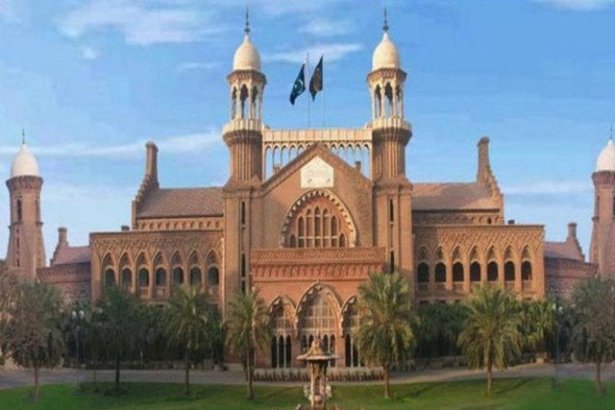
LAHORE: The Lahore High Court (LHC) has dismissed a petition challenging the conferment of civil awards on government employees and individuals holding public offices, ruling that public servants are not automatically disqualified from receiving national honours.
In its detailed judgment, the court clarified that simply holding a government position does not make a person either automatically eligible or ineligible for a civil award. Instead, authorities must determine whether the individual has rendered exceptional public service in accordance with the prescribed criteria.
The court observed that the Constitution does not limit the concept of public service to unpaid or voluntary work. Therefore, the fact that a government employee receives a salary does not, by itself, prevent that person from being considered for an award.
However, the court stressed that ordinary performance of official duties should not be confused with exceptional public service. A government employee must demonstrate contributions that go beyond the normal requirements of their position.
According to the judgment, public service is a distinct category within Pakistan’s civil awards framework. The Establishment Division acts as the nominating institution for awards in this category and follows an established mechanism for evaluating nominations.
The relevant scrutiny committees, award-recommending committees and the Central Awards Committee perform their respective functions under the prescribed procedure. While considering nominations, these bodies are required to assess whether the individual’s contribution goes beyond routine official responsibilities.
The court also highlighted factors such as integrity, impartiality, honesty and reputation of character when determining whether a person is suitable for a civil award.
The judgment rejected the argument that receiving a government salary should automatically prevent an employee from receiving an award for extraordinary public service. The court held that paid employment does not rule out the possibility of an individual making an exceptional contribution to society or the country.
The LHC further observed that civil awards cannot be withdrawn or cancelled merely on the basis of an assumption or without a lawful basis. The President or relevant authorities cannot be directed to revoke an award unless there is a clear legal foundation for such action.
The court also referred to the 26th Constitutional Amendment, which added “public service” to Article 259(2) of the Constitution. The provision was considered relevant to the constitutional framework governing civil awards and recognition of exceptional contributions to the public.
The ruling therefore maintains a distinction between a person’s official position and the nature of their contribution. Government employment alone does not qualify an individual for a civil award, but it also does not prevent an employee from receiving one if the prescribed authorities determine that the person has rendered exceptional public service under the applicable criteria.