

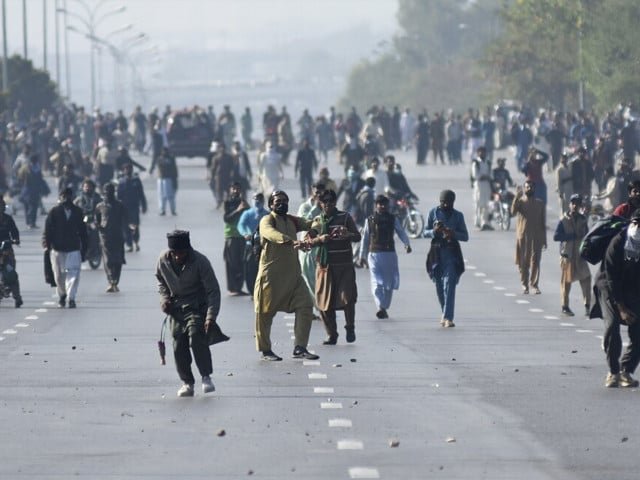
Pakistan’s major opposition parties are preparing separate protest campaigns against the government over inflation, governance failures, and economic pressure on the public, exposing deep divisions within the opposition alliance landscape.
According to reports, opposition groups including Tehreek-e-Tahafuz Ayeen-e-Pakistan (TTAP), Jamiat Ulema-e-Islam (F) and Jamaat-e-Islami have announced independent protest plans instead of joining a united anti-government platform. The lack of coordination highlights ongoing mistrust among opposition forces, especially regarding the political role of Pakistan Tehreek-e-Insaf.
TTAP, which includes PTI-backed leaders, announced nationwide demonstrations scheduled for May 22 after a high-level meeting attended by opposition representatives. Besides inflation and governance concerns, the alliance is also demanding improved medical access and facilities for former Prime Minister Imran Khan during his imprisonment.
Meanwhile, JUI-F chief Fazlur Rehman had already launched his own protest campaign against inflation and economic hardship during a Karachi gathering earlier this month. Separately, JI chief Hafiz Naeemur Rehman announced a nationwide protest movement and also filed a constitutional petition against increased fuel prices and taxation policies.
Senior JUI-F leader Kamran Murtaza stated that his party preferred holding independent protests due to unresolved trust issues with PTI. He said previous political cooperation had led to disagreements and blame-sharing, further weakening confidence between the parties.
On the other hand, PTI Sindh President Haleem Adil Sheikh urged opposition groups to unite at least on public issues such as inflation, rising fuel prices, and governance challenges affecting ordinary citizens.
The separate protest strategies indicate that while opposition parties share criticism of the government’s economic policies, efforts to establish a united political front remain fragile due to political fragmentation and ongoing mistrust.