
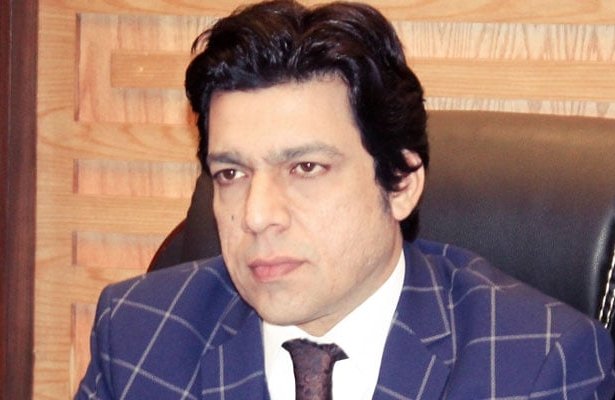
Senator Faisal Vawda has alleged financial irregularities amounting to Rs125 billion in Pakistan’s automobile sector under the Ministry of Industries and Production, triggering a heated debate during a meeting of the Senate Standing Committee on Finance. The claims have intensified discussions around accountability, transparency, and financial governance within key economic sectors.
During the committee session, Senator Vawda raised concerns over what he described as serious financial mismanagement and substantial losses to the national exchequer. According to him, official records indicate that the government suffered an estimated revenue loss of Rs125 billion due to reduced or halted automobile imports over the past seven months.
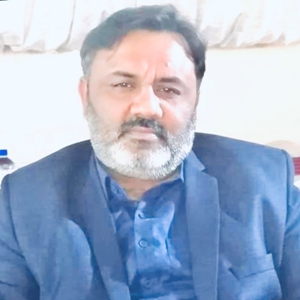
Prime Minister’s Adviser on Industries and Production, Haroon Akhtar, who was also present at the meeting, acknowledged the right of senators to question the performance of government institutions. However, he urged lawmakers to adopt a balanced approach while discussing sensitive matters involving public finances.
Haroon Akhtar emphasized that before making public allegations against the Ministry of Industries and Production, the ministry’s official position should be sought and presented. He warned that one-sided narratives could create misunderstandings and misrepresent facts, particularly in matters involving large-scale financial implications.
Responding to the concerns, Senator Faisal Vawda clarified that his remarks were not politically motivated or based on personal grievances. He stressed that the figures he presented originated from official government documents and records. According to him, the evidence points toward serious issues in the management of the automobile sector.
Vawda further stated that if his claims were proven incorrect, he would publicly apologize. Referring to his previous political positions, he said he had spoken out against members of his own party in the past when he believed accountability was necessary, demonstrating that his stance was based on principles rather than affiliations.
A key aspect of Senator Vawda’s argument focused on the impact of declining automobile imports. He claimed that restrictions or reductions in imports had significantly reduced customs duties and related tax collections, resulting in a revenue shortfall of approximately Rs125 billion for the government.
Haroon Akhtar, however, challenged the consistency of these allegations. He pointed out that Senator Vawda initially framed the issue as corruption but later referred to it as a loss of revenue. According to Akhtar, these are distinct issues that require separate examination and precise interpretation to avoid confusion in parliamentary discussions.
The exchange underscored broader concerns regarding economic management and oversight within Pakistan’s industrial sectors. Lawmakers increasingly seek greater transparency in policy decisions, while government representatives continue to advocate for evidence-based reviews and institutional accountability.
The Senate committee discussion reflects growing scrutiny of financial decisions affecting national revenue and public trust. Whether the allegations lead to a formal investigation or policy review remains to be seen, but the debate has once again brought attention to the importance of transparency and responsible governance in Pakistan’s economic institutions.